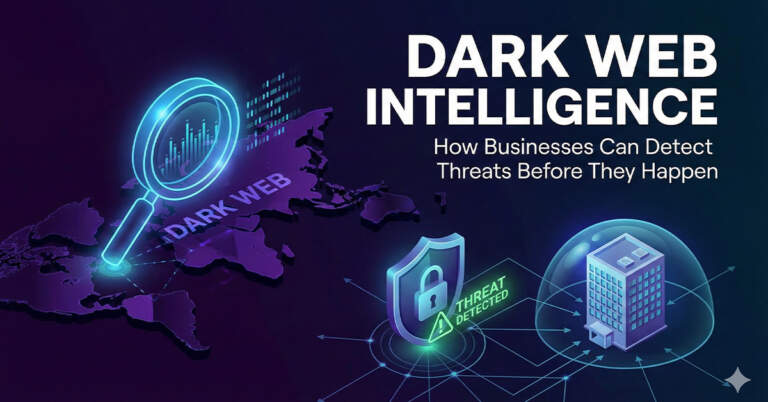
The dark web has always been a topic filled with mystery, curiosity, and concern. For some, it’s simply a hidden layer of the internet. For others—researchers, cybersecurity analysts, journalists, ethical hackers, and even everyday users—it is a place worth exploring for educational or investigative purposes.
But let’s be very clear: the dark web is not like the surface web. It is unregulated, unpredictable, and filled with both privacy-conscious individuals and malicious actors. If you’re planning to access it for research or investigation, you need the right protection.
And the most essential tool in your security setup is a VPN for dark web.
In this complete guide, we’ll break down why a VPN is absolutely critical, how it protects you, what risks exist without one, and how to choose the best VPN (with NordVPN being the top recommendation). Whether you’re a journalist tracking a story, a student learning about cybersecurity, or someone simply curious, this article will help you navigate the dark web safely.
What Is the Dark Web? A Quick Breakdown
Before we talk about why a VPN matters, let’s clarify what the dark web actually is.
The internet is made up of three layers:
- Surface Web
This is the everyday internet: Google, Facebook, YouTube, news websites, online stores—everything searchable on standard browsers.
- Deep Web
This includes private or unindexed pages such as email inboxes, banking portals, school systems, cloud storage, and corporate intranets.
- Dark Web
This is a small, hidden part of the deep web. It requires special software (like Tor) to access.
The dark web hosts:
- Anonymous forums
- Whistleblowing platforms
- Crypto-based marketplaces
- Hidden services not accessible on normal browsers
- Privacy-focused communities
While not everything on the dark web is illegal, it’s true that illegal activities do exist there. That is exactly why investigations must be carried out with caution.
Why Investigating the Dark Web Is Risky Without a VPN
When you enter the dark web, one wrong step can expose your:
- Identity
- IP address
- Location
- Device
- Browsing activity
It is a space monitored by advanced hackers, scammers, and sometimes law enforcement agencies keeping an eye on illegal operations.
Here are major risks of accessing it without a VPN for dark web:
- Your IP Address Becomes Visible
Even though Tor hides your activity, experts agree that Tor alone is not enough.
There have been multiple incidents where Tor vulnerabilities exposed user IPs.
A VPN adds a second layer of protection, making it nearly impossible to trace you.
- ISPs Can Flag Your Activity
Many ISPs, especially in countries like Pakistan, India, the UK, and the US, monitor unusual internet activity.
Just accessing the Tor network can put you on a watchlist.
A VPN encrypts your traffic so your ISP only sees that you’re connected to a secure server—not that you’re entering the dark web.
- Malware and Exploits Are Everywhere
The dark web is infamous for:
- Malware-infected sites
- Keyloggers
- Spyware
- Ransomware
- Zero-day exploits
A premium VPN with threat protection (like NordVPN’s Threat Protection Pro) blocks many malicious domains before you even load them.
- Hackers Actively Target Visitors
Hackers often set up fake onion sites or malicious exit nodes to capture user data.
Without a VPN, your system is exposed.
- You Can Be Tracked Through Browser Fingerprinting
Even on Tor, certain scripts can reveal information about your device.
A VPN cloaks your originating traffic and makes fingerprinting harder.
Why You Should Always Use a VPN Before Opening Tor
The golden rule:
VPN → THEN open Tor browser
(Also called “Tor over VPN”)
Here’s why:
- It Hides Tor Usage From Your ISP
Your ISP cannot see that you’re using Tor. All they see is encrypted VPN traffic.
- VPN Adds an Extra Layer of Anonymity
Even if Tor fails or leaks, your real IP stays hidden behind the VPN server.
- VPN Protects All Apps, Not Just Tor
If any app accidentally connects outside Tor, your VPN still protects you.
- Protects Against Malicious Exit Nodes
Some dark web exit nodes are controlled by attackers. A VPN shields your data even if an exit node is compromised.
How a VPN Protects You on the Dark Web
Let’s break it down in simple terms.
A VPN for dark web does the following:
✔ Masks Your IP Address
Your location becomes completely hidden.
✔ Encrypts Your Internet Traffic
Even your ISP cannot track your activity.
✔ Prevents Tracing and Tracking
Hackers, websites, and scripts can’t trace you back.
✔ Blocks Malicious Websites
Some VPNs (like NordVPN) have built-in threat protection.
✔ Adds Safety in Case Tor Fails
If Tor crashes or leaks, your VPN still keeps you hidden.
✔ Avoids Legal or ISP Issues
Your ISP can’t accuse you of suspicious behavior.
Why NordVPN Is the Best VPN for Dark Web Investigations
👉 Click here to claim black Friday deal
When exploring the dark web, you absolutely cannot rely on free VPNs—or weak ones.
NordVPN consistently ranks as the safest choice for dark web usage for several reasons:
- Double VPN & Onion Over VPN
This feature routes your traffic through multiple encrypted layers.
Onion over VPN allows you to enter Tor safely without exposing your real IP.
- Strict No-Logs Policy
NordVPN does not store your browsing activity, ensuring true anonymity.
- Military-Grade Encryption
Your traffic is encrypted with AES-256—same level used by government and military institutions.
- Threat Protection
Blocks malware, trackers, phishing sites, and malicious scripts.
- High-Speed Servers
Tor browsing is naturally slow.
NordVPN speeds up your connection by routing through optimized servers.
- Works in Restricted Countries
If you’re in a region where Tor is blocked, NordVPN bypasses censorship easily.
- Affordable & Reliable
Perfect for long-term cybersecurity, not just dark web use.
👉 Click here to claim black Friday deal
Step-by-Step: How to Safely Access the Dark Web Using a VPN
Follow this method for maximum security.
Step 1: Install a Premium VPN (NordVPN Recommended)
Download and install NordVPN on your device.
Step 2: Connect to a Secure Server
Choose a privacy-friendly country like Switzerland, Netherlands, or Iceland.
Step 3: Enable Threat Protection
Turn on NordVPN’s malware blocker before going further.
Step 4: Open the Tor Browser
Only open Tor after connecting to the VPN.
Step 5: Disable Scripts on Tor
Scripts can track your activity or fingerprint your device.
Step 6: Never Enter Personal Information
Avoid logging into any personal accounts.
Step 7: Use Only Trusted Onion Links
Verify links from reliable sources (e.g., The Hidden Wiki, secure cyber forums).
Step 8: Log Out and Disconnect Securely
Close Tor → Disconnect VPN → Restart your device.
What NOT to Do on the Dark Web
To stay safe, avoid these risky actions:
❌ Never download random files
❌ Never buy illegal items
❌ Never click unfamiliar onion links
❌ Never use your personal email
❌ Never open dark web sites without a VPN
❌ Never turn off Tor security settings
❌ Never upload personal documents
Remember: even one mistake can expose your identity.
Real-Life Dangers People Face on the Dark Web
Many first-time dark web explorers believe Tor alone is enough.
Unfortunately, case studies show otherwise.
Case 1: IP Leak Through Tor Browser
A simple Tor vulnerability once exposed user real IPs.
Everyone without a VPN was compromised.
Case 2: Fake Marketplaces Infecting Devices
Malicious onion sites can deliver infected scripts immediately after loading.
Case 3: ISP Flagging Tor Users
In several countries, ISPs hand over user logs when they observe Tor traffic.
VPN encryption prevents this.
Case 4: Hackers Running Exit Nodes
Attackers often control exit nodes to monitor unencrypted traffic.
VPN encryption keeps your data secure.
These incidents prove why a VPN for dark web is essential—not optional.
Why Free VPNs Are Dangerous on the Dark Web
If you’re thinking about using a free VPN, don’t.
Here’s why they are extremely risky:
- Many free VPNs log your data
- Some sell your browsing information to advertisers
- They leak IP addresses
- They use outdated and weak encryption
- They often contain malware
- Their servers are overcrowded and slow
The dark web is not the place to cut corners.
Always choose a trusted, premium service.
Who Actually Uses the Dark Web for Research?
Many legitimate professionals use the dark web, including:
- Journalists tracking sensitive stories
- Cybersecurity students and researchers
- Ethical hackers testing vulnerabilities
- NGOs providing communication tools to activists
- Law enforcement monitoring illegal activity
- IT professionals seeking threat intelligence
All of them rely on a VPN for dark web to stay protected.
Final Thoughts: A VPN Is Your First Line of Defense on the Dark Web
Investigating the dark web can be educational and insightful, but only when done safely.
You must protect your digital identity, personal information, and location at all times.
A VPN for dark web, especially a trusted one like NordVPN, provides:
- Strong encryption
- IP masking
- Safety from hackers
- Protection from ISP surveillance
- A backup shield if Tor fails
- Peace of mind
If you’re planning to explore the dark web—even just once—make sure you do it safely.
👉 Click here to claim black Friday deal





Leave a Comment